
Views: 0 Author: Site Editor Publish Time: 2025-11-04 Origin: Site


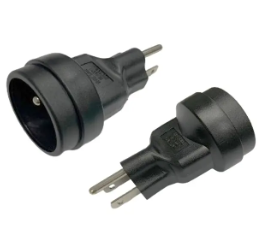
When planning a trip to Saudi Arabia, it is important to understand the local power plug system, as well as the voltage and frequency used across the country. With different countries utilizing various plug types, voltages, and frequencies, ensuring that your devices are compatible with the electrical system in Saudi Arabia is essential. Whether you are traveling for business, leisure, or moving there for an extended period, this guide will help you navigate Saudi Arabia’s power plug standards, so you can safely charge and use your electronics. Additionally, we will compare Saudi Arabia’s power system to those of other countries, providing a more global perspective on the differences in electrical standards.
Having the right plug adapters, converters, and safety knowledge can prevent damage to your devices and make your time in Saudi Arabia more comfortable. This guide will cover plug types, safety considerations, voltage converters, and comparisons with other countries' electrical systems to ensure you’re well-prepared for any situation.
The Type G plug is the standard power plug used in Saudi Arabia. This type is also widely used in countries like the United Kingdom, Ireland, and other regions. Understanding the characteristics of Type G plugs is crucial because it will likely be the type of plug you encounter in most situations.
Description: The Type G plug has three rectangular pins. These pins are arranged in a triangular configuration and include a ground pin for added safety.
Voltage and Safety Features: The Type G plug is fused, which adds a layer of safety by preventing electrical surges or faults. This makes the plug particularly safe for high-voltage devices.
Common Usage: Type G plugs are widely used for a variety of devices, including household appliances, phones, laptops, and chargers. Given Saudi Arabia's high voltage (230V), it is important to use a plug that can handle this without damage.
Socket Compatibility: Saudi Arabia's electrical outlets are specifically designed for Type G plugs, making it easier to use equipment from the UK or other countries that use the same system.
Travelers from North America might recognize Type A and Type B plugs, as these are common in the United States and Canada. However, these types of plugs are not native to Saudi Arabia and require an adapter to fit into Saudi outlets.
Type A: Features two flat, parallel pins.
Type B: Includes two flat parallel pins and an additional grounding pin for safety.
While these plug types may work in older or non-standard outlets in Saudi Arabia, it is much safer to use an adapter that fits the Type G sockets in most locations. Additionally, Type A/B plugs typically operate on 120V systems in North America, so travelers will need both an adapter and a voltage converter to safely use them in Saudi Arabia's 230V electrical system.

One of the most critical pieces of information when traveling internationally is knowing the voltage used in the country you’re visiting. Saudi Arabia uses a 230V system, which is higher than the 120V system used in countries like the United States and Canada. Here’s a comparison:
Voltage in Saudi Arabia: 230V (50Hz or 60Hz, depending on the region).
Voltage in the U.S. and Canada: 120V (60Hz).
If you are traveling from North America, be aware that your 120V appliances will not be directly compatible with 230V outlets in Saudi Arabia. Plugging your device into an incompatible outlet without the proper converter can result in serious damage. Voltage converters are necessary for safe usage.
The frequency in Saudi Arabia is 60Hz, the same as in the United States and Canada. Frequency refers to the number of cycles per second the electrical current alternates. This is important because certain devices like electric motors, clocks, and some older electronics rely on the frequency to function accurately. However, for most modern electronics such as laptops, smartphones, and other gadgets, frequency variations (such as 50Hz versus 60Hz) typically don't cause issues.
Frequency in Saudi Arabia: 60Hz.
Frequency in the United States and Canada: 60Hz.
Frequency in Europe: 50Hz.
While the frequency in Saudi Arabia is the same as North America, the 230V voltage can pose a challenge for North American devices. A voltage converter is necessary for devices that are not compatible with 230V to ensure they can safely operate in Saudi Arabia without damage.
Frequency Compatibility: If your device is dual voltage and frequency-compatible, you won’t have to worry about the frequency difference.
Voltage Compatibility: Devices that are single voltage (e.g., 120V) will need a voltage converter to prevent malfunction or damage.
A plug adapter is necessary when your device’s plug does not match the local Saudi Arabian socket. Since Saudi Arabia uses Type G sockets, you’ll need an adapter to convert Type A, B, C, or F plugs to fit the Type G sockets.
For North American travelers (Type A/B plugs): You will need a Type A/B to Type G adapter.
For European travelers (Type C/E/F plugs): You will need a Type E/F to Type G adapter.
Many airports and electronics stores sell plug adapters, and you can also find them online before your trip. Ensure that you get an adapter specific to the country’s socket system to avoid inconvenience during your travels.
A voltage converter is necessary if your device is designed for 120V and you are traveling to Saudi Arabia, where the voltage is 230V. Without a voltage converter, the high voltage can damage sensitive equipment such as laptops, hairdryers, and camera chargers.
Step-up converters: These converters allow you to use 120V devices in 230V countries.
Step-down converters: These are needed when using 230V devices in 120V countries.
Many modern devices, such as smartphones and laptops, come with dual voltage capabilities, meaning they can operate on both 110V and 240V systems. Always check your device’s voltage range to see if it can handle both.
Before plugging your device into Saudi Arabian outlets, it is essential to check the device's voltage and frequency compatibility. Many modern electronics have dual voltage capabilities, which allow them to work with both 120V and 230V. This means you can use these devices safely in Saudi Arabia without the need for a voltage converter.
Dual Voltage Devices: Devices like smartphones, tablets, and laptops are often dual voltage and can handle both 120V and 230V systems. Check for a voltage range on the device’s label to confirm compatibility.
Single Voltage Devices: For appliances like hairdryers, electric razors, or certain kitchen appliances, if the device is only rated for 120V, it will need a voltage converter to work in Saudi Arabia.
When choosing plug adapters and voltage converters, it is essential to buy certified products that meet international safety standards. Poor-quality adapters and converters may cause electrical hazards like short circuits, overheating, or even fires.
Certified Products: Look for products with UL, CE, or other recognized safety certifications.
Avoid Cheap Alternatives: Inexpensive adapters and converters may not perform as expected and could endanger both your devices and your safety.
Avoid Overloading Circuits: When using multiple devices, ensure you are not overloading the power strip or outlet, as this can lead to overheating.
Turn Off Devices: Turn off devices when not in use to conserve energy and prevent overheating.
Proper Grounding: If your device requires grounding, ensure you are using a grounded adapter to prevent electric shocks.
It is useful to compare Saudi Arabia’s power system with other countries, especially if you are traveling between regions. Here is a comparison of the power systems in various countries:
Country | Plug Type(s) | Voltage (V) | Frequency (Hz) | Notes |
Saudi Arabia | G | 230V | 60Hz | Standard voltage and frequency |
United States | A, B | 120V | 60Hz | Requires voltage converter |
United Kingdom | G | 230V | 50Hz | Same plug type but 50Hz frequency |
Canada | A, B | 120V | 60Hz | Requires voltage converter for Saudi Arabia |
United Arab Emirates | G | 230V | 50Hz | Same plug type but 50Hz frequency |
Belgium | C, E/F | 230V | 50Hz | Requires adapter for Type G plug |
Qatar | G | 240V | 50Hz | Same plug type but slightly higher voltage |
Sri Lanka | D, G | 230V | 50Hz | Requires adapter for Type G plug |
Tanzania | D, G | 230V | 50Hz | Requires adapter for Type G plug |
For outdoor enthusiasts and travelers using trolling motor power plugs, it’s essential to understand the compatibility of these specialized connectors with the power system in Saudi Arabia.
Voltage: Trolling motors generally use 12V, 24V, or 36V, meaning they operate on DC (direct current) and cannot be plugged directly into Saudi power outlets.
Converters and Adapters: To use a trolling motor in Saudi Arabia, you will need a converter that steps down the 230V AC to the required DC voltage.This will ensure that your motor operates safely.
When traveling to Saudi Arabia, understanding the local power plug system is crucial for the safe operation of your devices. With Type G plugs and 230V voltage, it’s essential to have the right plug adapters and voltage converters to avoid damaging your devices. For travelers, ensure that you check the voltage and plug compatibility of your appliances before arriving.
Additionally, if you’re in need of high-quality power cords and plug adapters, visit Sheeline Co., Ltd. for durable and reliable products that guarantee your devices stay safe and functional during your travels. By ensuring that your electrical equipment is properly compatible, you can enjoy a seamless experience in Saudi Arabia without worrying about electrical issues.
Saudi Arabia uses Type G plugs, which have three rectangular pins in a triangular arrangement. This is similar to the UK plug system.
Yes, if your devices are rated for 120V, you will need a voltage converter to use them in Saudi Arabia, which operates on 230V.
North American appliances use 120V, so you will need a plug adapter and a voltage converter to safely use them in Saudi Arabia’s 230V system.
Yes, plug adapters are available in Saudi Arabia at electronics stores, airports, and online retailers.
Yes, both Saudi Arabia and the U.S. operate on 60Hz frequency, so frequency is not a concern for most devices.


Blog


