Views: 0 Author: Site Editor Publish Time: 2025-05-09 Origin: Site
When you think about powering your devices, you may wonder, is a power cord the same as a charger? At first glance, these terms might seem interchangeable, but they actually serve very different purposes. Understanding the difference between them is crucial for maintaining the health of your devices and ensuring they function properly.
In this article, we will explore the role of a power cord and a charger, the differences between them, and when you need each one. By the end, you will understand why they are distinct yet complementary components in your tech setup.
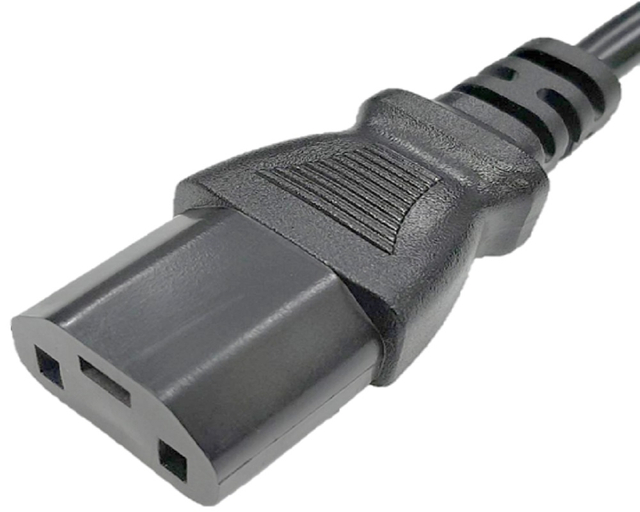
A power cord is a cable used to connect an electrical device to a power source, such as an electrical outlet. Unlike a charger, it does not convert power or manage the flow of energy in any specific way; it merely serves to transfer electricity from the outlet to the device.
Plug: The end of the cord that connects to the outlet.
Cable: The wire that carries the power from the outlet to the device.
Connector: The part that attaches to the device itself.
Power cords are found in almost every type of electronic device. From computers to refrigerators, the power cord is the main physical connection between the device and the power supply.
A power cord operates on a very simple principle. It doesn’t convert or regulate the electricity in any way. It simply conducts the electrical current from the power source into the device. Power cords come in various designs depending on the device, but the core function remains the same: to deliver power.
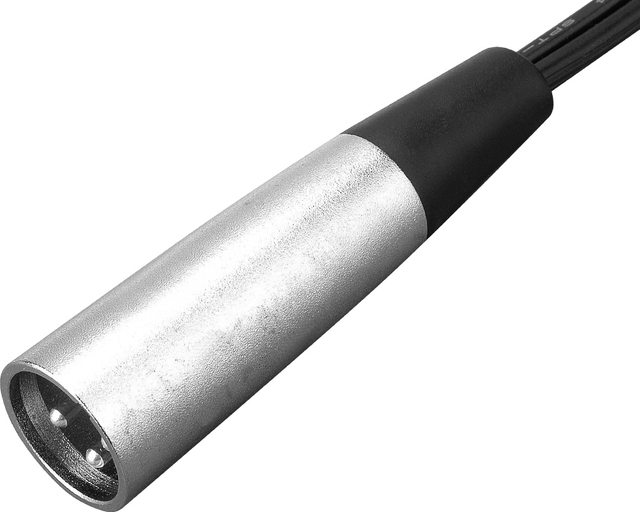
A charger, on the other hand, has a much more specific job. It doesn’t just supply power; it converts power to a form that can safely charge the device’s battery. A charger typically converts AC (alternating current) from the wall into DC (direct current) that the device uses.
Power Conversion: A charger converts AC to DC.
Current Regulation: It regulates the current to match the needs of the device’s battery.
Battery Charging: It replenishes the battery's power and ensures it doesn’t overcharge.
For instance, when you plug in your phone, the charger is responsible for converting the electricity from the outlet into the appropriate power needed to charge the phone’s battery. Without this conversion, your device’s battery could be damaged or fail to charge.
Portable Devices: Chargers are most commonly used for portable devices like smartphones, laptops, and tablets.
Battery Management: Chargers manage how the device’s battery is replenished, preventing overcharging or overheating.
While power cords and chargers might seem similar, their functions are distinct. Below, we break down the key differences.
Function: Transfers power to a device.
Voltage: Does not regulate or convert voltage.
Usage: Used for devices that don’t require battery charging or for devices that already have internal charging systems.
Components: Consists of a plug, wire, and connector.
Function: Converts power and manages the charging of the device’s battery.
Voltage: Regulates the voltage and current to ensure the battery is charged correctly.
Usage: Primarily used with rechargeable battery-powered devices like smartphones, tablets, and laptops.
Components: Includes a power conversion mechanism and sometimes a battery management system.
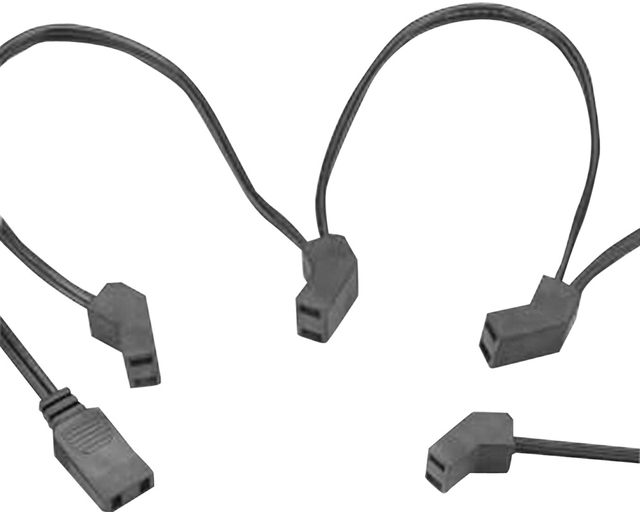
A power cord is needed when your device requires a continuous supply of power, either for operation or to keep it plugged in for use. For example, desktops or larger appliances like refrigerators often rely solely on power cords for regular functioning. In some cases, you can think of the power cord as the device’s "lifeline," ensuring that it gets the power it needs.
Desktops: The power cord provides power for the entire computer system.
Monitors: Power cords are used to connect monitors to power sources.
Kitchen Appliances: Devices like microwaves and refrigerators operate purely on power cords.
If your device has a battery, you will likely need a charger at some point. A charger’s role is to replenish the device’s battery by converting the power supplied from an outlet into the right form for the battery.
For instance, when you plug in your smartphone, the charger not only supplies power but also regulates the flow to charge the battery safely. Once the battery reaches full capacity, the charger typically stops supplying power, ensuring that the battery isn’t overcharged.
Smartphones: Phones require chargers to convert electricity into a safe charging voltage for the battery.
Laptops: Like smartphones, laptops use chargers to replenish their internal batteries and provide power to keep the device running.
Portable Gaming Devices: These devices rely on chargers to supply power and manage battery levels.
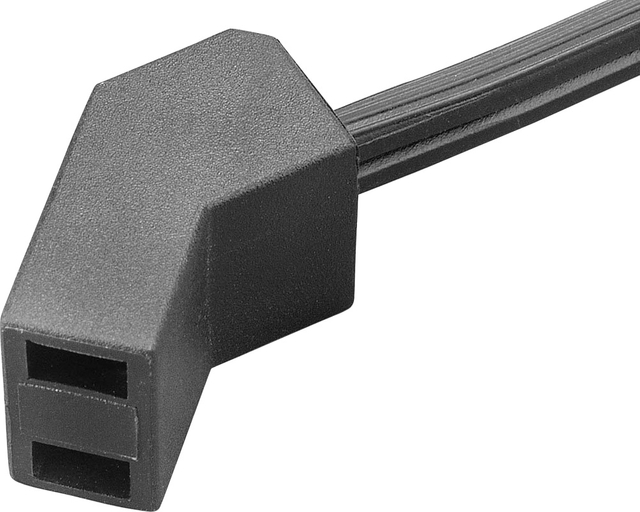
A power adapter serves a similar purpose to a charger in that it converts power, but it’s often used in specific circumstances. For example, you may need a power adapter when traveling internationally. Many countries use different plug types and voltages, so a power adapter can help you plug your device into a foreign outlet, but it won’t manage your device’s charging process like a charger does.
Here’s a quick comparison table to help clarify the differences between a power cord and a charger:
| Feature | Power Cord | Charger |
|---|---|---|
| Function | Transfers power | Converts and regulates power to charge a device’s battery |
| Voltage Regulation | No | Yes |
| Current Regulation | No | Yes |
| Components | Plug, cable, connector | Power conversion system, charging control |
| Usage | For continuous power | For charging battery-powered devices |
As shown in the table, the main difference between a power cord and a charger is that the charger regulates the power used for charging a device’s battery, while the power cord simply delivers power to the device.
Before you choose the right equipment for your devices, understanding the distinction between a power cord and a charger is crucial. While power cords provide continuous power, chargers regulate the voltage and current necessary for safely charging your devices. This knowledge ensures your devices run efficiently and are properly maintained.
For all your power cord and adapter needs, whether you're looking to power everyday devices or complex electronics, visit us for high-quality solutions. Let us help you keep your devices powered safely and efficiently.
Q: Can a power cord charge a device?
A: No, a power cord only provides a continuous power connection. It does not regulate or manage the charging process.
Q: What is the purpose of a charger?
A: A charger converts AC power to DC and regulates the current and voltage needed to safely charge a device’s battery.
Q: Can I use a power cord instead of a charger for my smartphone?
A: No, smartphones need chargers to manage battery charging, while a power cord only provides power.
Q: Do I need a charger for all devices?
A: Only devices with rechargeable batteries, like smartphones and laptops, require chargers.
Q: What is the difference between a charger and a power adapter?
A: A charger regulates and manages battery charging, while a power adapter simply allows a device to fit into a different plug type or voltage system.
Blog