Views: 0 Author: Site Editor Publish Time: 2025-04-30 Origin: Site
Have you ever wondered what exactly a power cord is? It’s more than just a cable; it’s a key part of almost every electronic device.
In this article, we will break down what a power cord is, its types, and why it’s essential for powering your devices. We’ll also explain how to choose the right one for your needs and when to use it.
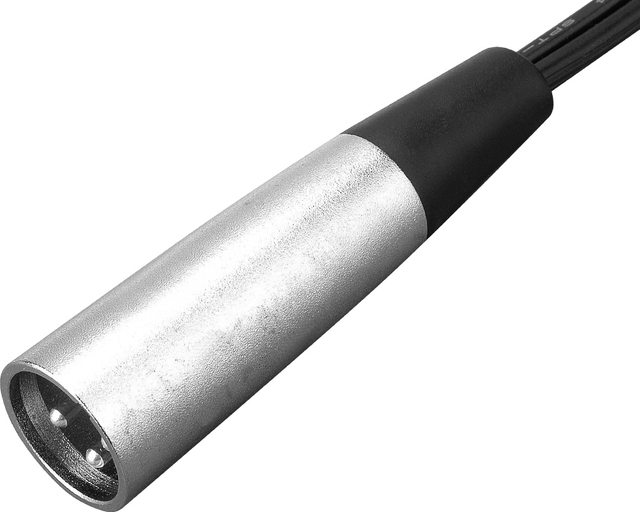
A power cord, often called a line cord or power cable, is a type of electrical cable used to connect an appliance or device to a power source, typically an electrical outlet. The cord typically has a plug on one end, which connects to the electrical outlet, and either a socket or a bare wire on the other end, which connects to the device.
Plug: This is the part that connects to the power outlet.
Cord: The wire that carries the electricity from the outlet to the device.
Connector or Socket: Depending on the device, this part connects to the device to deliver power.
Power cords are designed to be flexible and durable, capable of handling varying degrees of electrical current. They also include insulation to prevent electrical hazards.
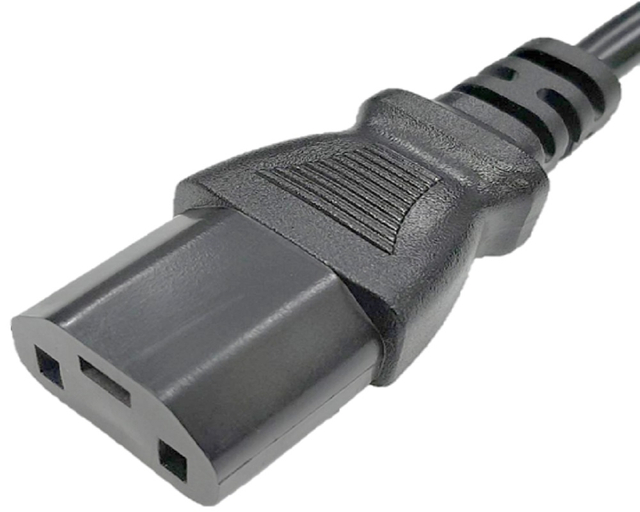
There are several types of power cords, each designed for specific applications and power requirements. The most common types include AC power cords, DC power cords, and generator power cords. Below, we’ll take a closer look at these types.
AC power cords are used to transfer alternating current (AC) electricity from a power source to electronic devices and appliances. AC cords are common in homes, offices, and commercial settings. They connect devices like computers, televisions, and kitchen appliances to the wall outlet, ensuring they operate properly.
AC power cords come in various designs, including different plug types and voltage ratings, depending on regional standards. For example, NEMA power cords are common in North America, while IEC power cords are used internationally.
DC power cords are used in devices that run on direct current (DC), such as laptops, cameras, and portable electronics. Unlike AC cords, DC cords typically have a single output that matches the device’s requirements. They are often used in low-voltage applications and can be found in a variety of configurations, depending on the device’s needs.
Generator power cords are specifically designed for use with generators, providing power to tools and machines when electricity from the grid is unavailable. These cords come in a variety of styles, with different amp ratings to accommodate various devices. The NEMA 5-15P and L14-30P are common types of generator power cords, each suited for different power capacities.
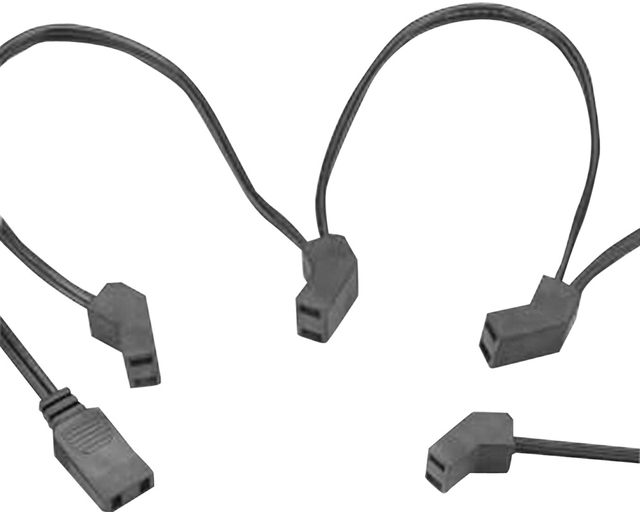
Power cords are crucial because they ensure that electricity reaches your devices safely. Without a power cord, you wouldn't be able to connect your appliances to a power source. The quality and type of power cord you use can affect the performance of your devices and even prevent electrical hazards such as overheating, electrical fires, or short circuits.
Power cords must meet certain safety standards to ensure they don’t pose risks to users. Many power cords come with insulation and grounding features to protect against electric shocks. It's important to always use the correct power cord for the voltage and amperage requirements of your device.
For example, UL-certified power cords have undergone safety testing and meet the required standards for electrical safety. Always look for certification when choosing a power cord for any appliance or device.
A power cord works by allowing electricity to flow from the electrical outlet to the device it is connected to. The conductive materials within the cord—usually copper—carry the current, while the insulation material around the cord ensures that no electrical current leaks and potentially harms the user.
Power cords come in different lengths, thicknesses, and insulation types, depending on their intended use. The gauge of the wire within the cord determines how much current it can handle, and the insulation protects both the user and the device from electrical hazards.
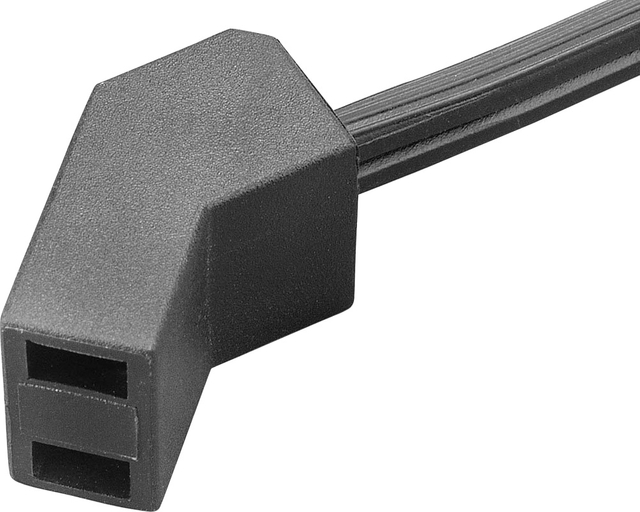
A power cord is necessary whenever you need to supply electricity to a device that doesn’t have an internal power supply. Some devices have built-in power cords, while others, like certain monitors and kitchen appliances, require an external power cord to connect to an electrical source.
Here are a few examples of devices that require power cords:
Computers and Monitors: These devices rely on power cords to supply the electricity they need to function.
Appliances: Many household appliances, like refrigerators and microwaves, use power cords to connect to power sources.
Medical Equipment: Medical devices like oxygen machines and hospital monitors also depend on power cords for operation.
Many people use the terms power cord and power cable interchangeably, but they are not exactly the same. The main difference lies in the length and application.
Power Cord: A short cable typically used for appliances or devices that are close to an electrical outlet.
Power Cable: This term is often used for longer cables that are used to connect larger electrical systems or run power across distances.
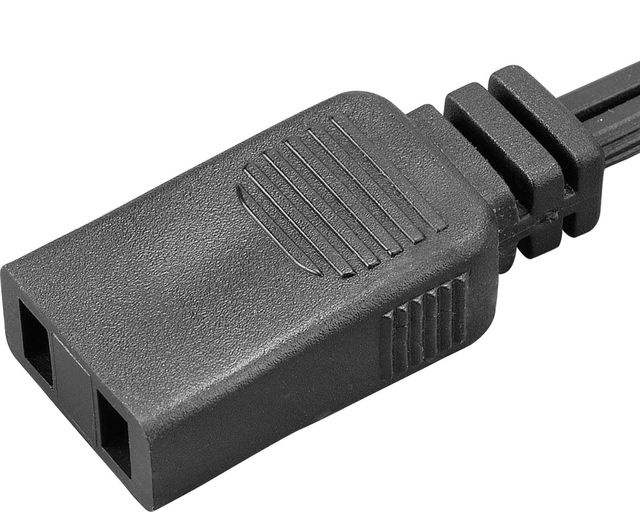
Choosing the right power cord is crucial for both safety and performance. Here are some factors to consider when selecting the proper power cord for your device:
Voltage Rating: Ensure the power cord matches the voltage requirements of the device. Using a cord with an inappropriate voltage rating can cause damage to the device or create a fire hazard.
Length and Flexibility: Consider the length of the power cord and ensure it is long enough to reach the power source without creating a tripping hazard. Additionally, choose a flexible cord that can handle movement and bending.
Plug Type: Make sure the plug type matches the receptacle you intend to use. There are different types of plugs for different regions and devices.
Amperage: Check the amperage rating to ensure that the power cord can safely handle the current required by the device.
In conclusion, a power cord is an essential part of every electronic device, ensuring that electricity flows from the source to the appliance. By understanding the types of power cords, their functions, and when to use them, you can ensure the safety and efficiency of your devices.
For any power cord needs, whether you're looking for a replacement or a new one, visit us for reliable and high-quality options. Our power cords are designed to meet international standards, ensuring your devices stay powered and safe.
Q: What is a power cord used for?
A: A power cord delivers electrical power from a source to an electronic device, ensuring it operates.
Q: What is the difference between a power cord and a power cable?
A: Power cords are shorter cables typically used for home appliances, while power cables are longer and used in more complex applications.
Q: Can I use any power cord for my device?
A: No, ensure the power cord matches your device’s voltage, current, and plug type for safe operation.
Q: How do I know if my power cord is safe to use?
A: Always check for UL certification and ensure the cord is compatible with your device’s specifications.
Q: Are power cords universal?
A: No, power cords vary based on region and device requirements. Always check the specifications before purchasing.
Blog