Views: 0 Author: Site Editor Publish Time: 2025-09-11 Origin: Site
Ever found yourself in a foreign country, unable to charge your devices? Understanding international plug compatibility is crucial for travelers. Power plugs vary globally, with each region having unique designs and standards. In this guide, you'll learn about different plug types and how to choose the right adapter for your trip.
When traveling abroad, knowing the types of power plugs used globally can save you from last-minute hassles. Different countries use various plug designs, each suited to their electrical standards and safety requirements. Understanding these plug types helps you choose the right adapter and ensures your devices stay powered.
Worldwide, there are about 15 recognized plug types, labeled from A to O by the International Electrotechnical Commission (IEC). Each type varies in pin shape, size, and configuration. While some plugs are common across many countries, others are unique to specific regions or nations.
Type A: Features two flat parallel pins. Common in North America, Central America, Japan, and parts of Asia like the Philippines and Thailand. It is ungrounded, so devices needing grounding require an adapter.
Type B: Similar to Type A but adds a round grounding pin. Used mainly in the USA, Canada, Mexico, and some countries in the Caribbean and Asia. It supports grounded devices.
Type C: Known as the "Europlug," it has two round pins and is widely used across Europe, South America, and parts of Asia and Africa. It fits into many sockets, making it one of the most versatile plugs.
Type G: Characterized by three rectangular pins in a triangular formation. This plug is standard in the United Kingdom, Ireland, Malta, Malaysia, and Singapore. It includes a built-in fuse for safety.
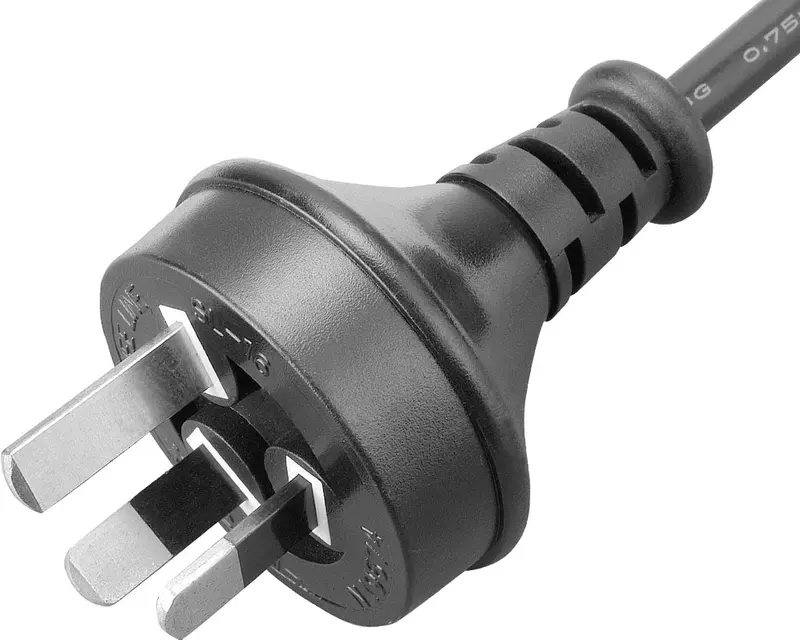
Type I: Consists of two flat pins in a V-shape plus a grounding pin. Used in Australia, New Zealand, China, and some Pacific islands. Often includes a switch for added safety.
Some regions have unique plugs or variations:
Type D: Used mainly in India, Sri Lanka, and Nepal. It has three large round pins arranged in a triangle.
Type E and F: Common in Europe. Type E has two round pins and a female grounding socket, while Type F ("Schuko") has two round pins with grounding clips on the side. They are compatible with Type C plugs.
Type H: Exclusive to Israel, featuring three flat pins in a triangular layout. It is compatible with Type C plugs.
Type J: Found in Switzerland and Liechtenstein, similar to Type C but with a grounding pin.
Type K and L: Used in Denmark and Italy respectively, each with three pins arranged uniquely.
Type M and N: Found in South Africa and Brazil, respectively. Type M resembles Type D but with larger pins, while Type N is compatible with Type C plugs.
Type O: Unique to Thailand, similar to Type C but with a grounding pin.
Knowing these plug types helps travelers pack the right adapters. For example, a traveler visiting Europe can mostly rely on a Type C adapter, while someone going to the UK will need a Type G adapter. Asia's diversity means checking specific countries before packing.
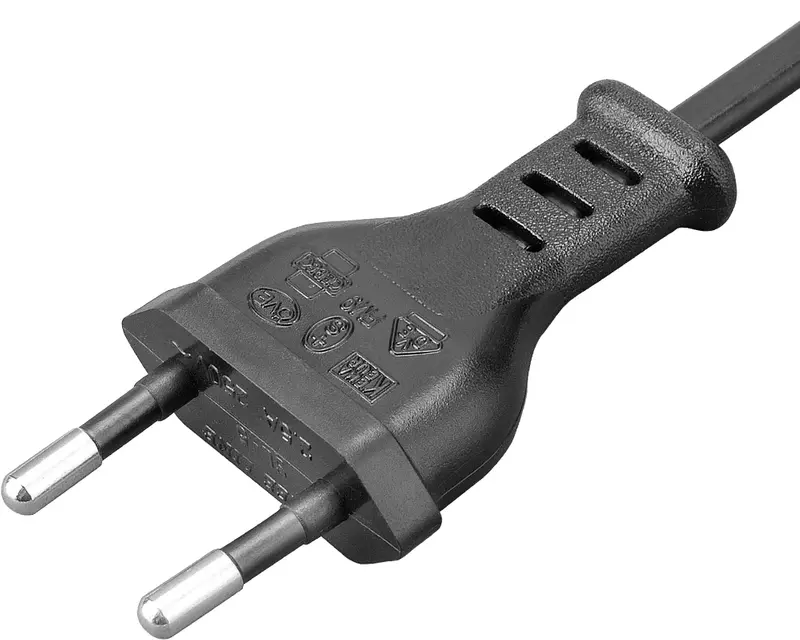
Understanding which plug types are used in different regions helps travelers prepare the right adapters and avoid frustration. Here’s a breakdown of common plug types by region:
Most European countries use the Type C plug, also known as the Europlug. It has two round pins and fits into many sockets across Europe, South America, and parts of Asia. Countries like France, Germany, and Spain primarily use Type C or compatible plugs such as Type E and F.
However, the United Kingdom, Ireland, Malta, Malaysia, and Singapore use the Type G plug. It features three rectangular pins in a triangular pattern and includes a built-in fuse for extra safety. Type G plugs are not compatible with other plug types, so travelers to these countries must carry a Type G adapter.
In the United States, Canada, Mexico, and parts of the Caribbean, the Type A and Type B plugs are standard. Type A has two flat parallel pins and is ungrounded. Type B adds a round grounding pin for extra safety.
Many devices from these countries use these plugs, but travelers from regions with different plug types need adapters. Note that Type B sockets accept Type A plugs, but not vice versa.
Asia presents a diverse electrical landscape, with plug types varying greatly between countries:
Type C plugs are common in countries like Cambodia, Indonesia, and the Philippines.
Type G plugs appear in Malaysia, Singapore, and parts of the Middle East.
Type I plugs are used in China, Australia, and New Zealand, featuring two flat pins in a V shape plus a grounding pin.
Other variations include Type D in India and Type O in Thailand. Because of this variety, travelers should research specific countries before packing adapters.
Both Australia and New Zealand use the Type I plug, which has two flat pins forming a V shape plus a grounding pin. This plug often includes a safety switch on the socket. Type I is also used in some Pacific islands and parts of China.
When traveling internationally, understanding voltage and frequency differences is just as important as knowing plug types. These electrical standards vary widely and can impact how your devices perform or whether they work at all.
Voltage is the electrical potential supplied by power outlets. Different countries use different standard voltages, typically ranging from about 100 volts to 240 volts. For example:
North America mainly uses 110-120 volts.
Most of Europe, Asia, Australia, and Africa use 220-240 volts.
Devices designed for one voltage range may not operate properly or could be damaged if plugged into a different voltage without the right equipment. For instance, plugging a 120V-only device into a 230V outlet can cause overheating or failure.
Many modern electronics like smartphones and laptops support dual voltage (100-240V), allowing them to work safely worldwide. Always check your device’s label or manual to confirm voltage compatibility before plugging in abroad.
The three most common voltage standards travelers encounter are:
110V-120V: Used primarily in the United States, Canada, parts of Central and South America, and some Asian countries like Japan.
220V-230V: The standard in most European countries, the UK, Australia, New Zealand, and much of Asia and Africa.
240V: Found in certain countries such as the UK, Australia, and parts of Africa.
The slight difference between 220V and 230V or 240V usually isn’t a problem for devices rated for 220-240V. However, always verify your device’s voltage range.
Frequency, measured in Hertz (Hz), is the number of cycles per second of the alternating current supplied. The two main frequencies worldwide are 50Hz and 60Hz.
50Hz: Common in Europe, Asia, Africa, and Australia.
60Hz: Used in North America, parts of South America, and some Asian countries.
Most modern devices handle both frequencies without issue. However, some appliances like electric clocks, timers, or motors may run faster or slower if the frequency differs from what they’re designed for. For example, a 60Hz motor plugged into a 50Hz supply might overheat or perform poorly.
Check each device’s voltage and frequency ratings before travel.
Use voltage converters if your device isn’t compatible with the local voltage.
Plug adapters do not convert voltage or frequency; they only fit plugs into sockets.
Devices supporting 100-240V and 50/60Hz are ideal for international travel.
When planning your trip, selecting the right travel adapter can make all the difference. Not all adapters are created equal. Knowing the types available helps you stay powered up without carrying unnecessary bulk or risking damage to your devices.
Single-region adapters are designed for one specific plug type or region. For example, a Type G adapter works only in countries using the British-style plug, like the UK or Malaysia. These adapters are usually compact, affordable, and perfect if you’re visiting only one country or a region with uniform plug types.
Multi-region adapters cover several plug types and fit sockets in multiple countries. They often include interchangeable plugs or sliding mechanisms to switch between standards like Type A, C, G, and I. These adapters are ideal for travelers visiting multiple countries with different plug systems. However, they tend to be bulkier and sometimes pricier than single-region models.
Universal travel adapters claim to work almost anywhere. They combine many plug types into one device and often feature USB ports for charging multiple gadgets simultaneously. This makes them very convenient for frequent travelers or those carrying many devices.
However, universal adapters have downsides:
They can be bulky and heavy.
Some plugs may not fit snugly in certain sockets, risking loose connections.
They often lack built-in voltage converters, so you must check device compatibility.
Their size can block adjacent sockets, limiting use in crowded power strips.
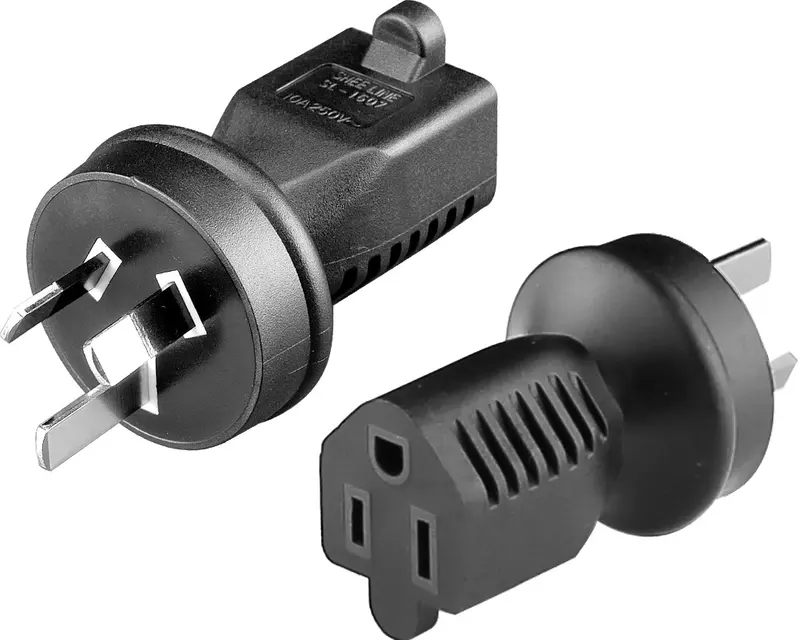
When choosing an adapter, consider these key points:
Destination plug types: Research the plug types used in your destination(s). If traveling to multiple countries, pick an adapter covering all needed types.
Voltage compatibility: Adapters don't convert voltage. Ensure your devices support the local voltage or use a separate voltage converter if needed.
Number of devices: If charging multiple gadgets, consider adapters with multiple outlets or USB ports.
Safety features: Look for adapters with built-in fuses or surge protection to prevent electrical hazards.
Size and weight: Choose compact and lightweight adapters for easy packing.
Quality and certification: Buy from reputable brands certified for safety standards to avoid counterfeit or low-quality products.
Using travel adapters correctly is crucial for your safety and your devices' longevity. Even the right adapter can cause problems if used carelessly or without understanding electrical differences.
Travel adapters allow your plug to fit into foreign sockets, but they don't change voltage. Always check your device's voltage rating before plugging it in. Many modern gadgets support dual voltage (100-240V), meaning they can handle most countries' power supplies safely.
If your device only supports a specific voltage, like 110V, and you plug it into a 220V outlet, it could overheat or get damaged. In such cases, you'll need a voltage converter or transformer, not just an adapter.
To avoid shocks, fires, or damage:
Use adapters certified for safety standards (UL, CE, or equivalent).
Avoid cheap, uncertified adapters that might lack proper insulation or fuses.
Don't overload adapters by plugging in too many devices at once.
Keep adapters dry and avoid using them near water.
Inspect adapters for damage before use; cracked or broken parts are dangerous.
Always unplug adapters when not in use.
Use surge protectors if you're in areas with unstable power.
Carry adapters with built-in fuses or circuit breakers.
Match the adapter type exactly to the socket to prevent loose connections.
Test your adapter before traveling to ensure it fits your devices and sockets properly.
By following these tips, you'll protect your devices and yourself while traveling. Safe use of travel adapters keeps your trip hassle-free and your electronics functioning well.
Understanding international plug types is essential for travelers to avoid inconvenience. Different regions use various plug types, making it crucial to plan ahead and pack the right adapters. This ensures devices remain powered and safe from voltage issues. By being informed, travelers can enjoy a hassle-free experience. For reliable travel solutions, consider Sheeline's products, which offer versatility and safety for global travelers. Their products are designed to simplify international journeys, providing peace of mind and convenience.
A: An international plug refers to the various types of power plugs used worldwide, each designed to fit specific regional sockets and electrical standards. Travelers need the correct adapter to ensure device compatibility abroad.
A: Choose the right international plug adapter by researching the plug types used in your destination. Consider a multi-region adapter for travel across countries with different plug systems, ensuring it supports your device's voltage.
A: International plug types differ due to varying regional electrical standards and safety requirements. Each type is designed to ensure compatibility with local voltage and frequency, enhancing safety and functionality.
A: International plug adapters vary in price. Single-region adapters are generally affordable, while multi-region or universal adapters can be pricier due to their versatility and additional features like USB ports.
A: Multi-region international plug adapters offer convenience for travelers visiting multiple countries, reducing the need for multiple single-region adapters and ensuring compatibility across diverse plug types.
Blog


